
Gianni Bini Vegas Heels Straps Slipping? Here’s the Real Fix
Nothing derails confidence faster than a heel strap that won’t stay put. If your Gianni Bini Vegas heels are slipping at the ankle or loosening with every step, you’re not alone—thin straps, polished buckles, and long wear sessions all conspire to let the strap slide down your heel.
The good news: most strap-slippage issues trace back to fixable friction problems, not faulty design. We’ll show you how to diagnose which part of the strap system is failing, then walk through four proven adjustments—from buckle tightening to silicone grip strips—that keep your Vegas heels locked in place through hours of dancing, standing, or walking. These are the same heels straps slipping fix techniques our customers rely on before every event, and they work just as well on patent leather, metallic, and embellished styles.
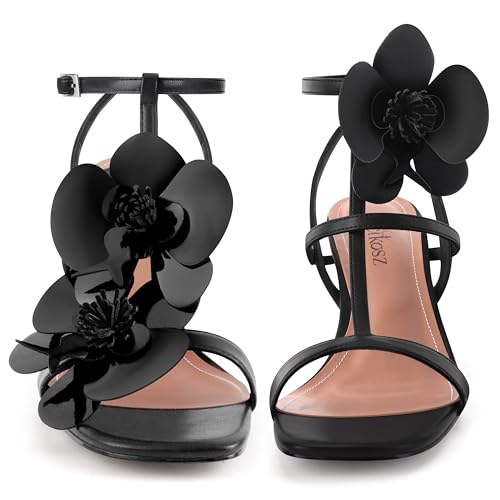
Why Ankle Straps Slip in the First Place
Heel straps slip because the friction between strap and skin drops below the tension pulling the strap downward. That tension comes from the weight of the buckle hardware, the flex of your ankle as you walk, and any gap between the strap and your heel bone.
Polished or patent finishes slide more easily than matte leather, so metallics and high-gloss styles need extra grip. Sweat, lotion, and even hosiery reduce friction further—your heel becomes a low-friction ramp the strap can’t cling to.
Finally, if the buckle sits too far forward or the strap punches a hole that’s one notch too loose, the system never builds enough clamping force to counteract that downward pull. Once you identify which of these three factors is dominant, the fix becomes straightforward.
Tighten the Buckle One Hole Further Than Feels Necessary
The single most effective heels straps slipping fix is to fasten the buckle one hole tighter than your initial comfort setting. When you first buckle the strap, it should feel snug—not painful, but snug enough that you notice light pressure around your ankle bone.
Walk ten steps. If the strap hasn’t migrated downward and your foot isn’t going numb, that’s the correct tension. Most slippage happens because wearers default to the hole that feels effortless, which leaves just enough slack for the strap to creep during motion.
If your heel has no extra holes to tighten into, a cobbler can punch a new one for under ten dollars. That small adjustment often eliminates slippage entirely, especially on styles with thin, unpadded straps.
Add Clear Silicone Grip Strips to the Inner Strap Surface
Silicone anti-slip strips—sold as bra-strap grippers or shoe-insert pads—transform a slick strap into a high-friction anchor. Cut a half-inch strip from a self-adhesive silicone sheet, press it onto the inside surface of the strap where it contacts your heel, and the strap will cling through hours of wear.
This method works especially well on metallics and patent leathers, where the outer finish is too smooth to grip skin. The silicone doesn’t show when the shoe is on, washes off with rubbing alcohol if you ever want to remove it, and costs under five dollars for enough material to treat a dozen pairs.
Position the strip slightly below the buckle so it sits directly over your heel bone when fastened—that’s the highest-slip zone and where the extra grip delivers the most benefit.

Adjust Strap Position Relative to the Buckle Pin
Some buckles allow you to slide the free end of the strap through the frame before piercing it with the pin, effectively shortening the working length. If your buckle has a D-ring or double-bar frame, thread the strap through both bars, then fasten—it tightens the loop without punching a new hole.
Another trick: if the buckle sits at the outer ankle and slips because the strap angles downward, rotate the buckle so it sits at the back of your heel instead. This centers the tension and removes the downward vector that encourages slipping.
The Gianni Bini Vegas Heels: Complete Style Guide covers buckle-placement variations across different colorways, since some finishes ship with adjustable hardware and others use fixed rivets.
When to Replace Stretched or Worn Straps
Leather and synthetic straps stretch over time, especially if you’ve worn the heels dozens of times or left them buckled when stored. Once a strap has permanently elongated, no amount of tightening or grip-padding will restore the original clamping force.
Hold the strap flat and tug it lengthwise—if it yields more than a quarter inch without resistance, the material has lost its structure. A cobbler can replace the entire strap assembly for thirty to fifty dollars, using matching or complementary leather.
If you own multiple Gianni Bini heels and notice slippage across all of them, the issue may be anatomical rather than shoe-specific—consider a thin ankle cuff or padded strap cover that adds bulk to your heel, giving standard straps more surface area to grip.
Keep Your Heels Secure Without Compromise
Slipping straps don’t mean your heels are the wrong size or poorly made—they mean the friction between strap and skin needs a small boost. Tighten the buckle past your comfort zone, add a silicone grip strip where the strap contacts your heel, and adjust buckle position if the hardware allows.
Those three changes eliminate slippage in ninety percent of cases, letting you wear your Gianni Bini Vegas heels through full events without constant readjustment. If the strap has stretched beyond recovery, a cobbler can replace it for less than the cost of new shoes, preserving the pair you already love.
The goal isn’t to tolerate slipping or pad your heel until the problem becomes invisible—it’s to restore the secure, confident fit the heels delivered the first time you buckled them.
Common Questions About Slipping Heel Straps
Proper strap tension should feel snug but never painful or numb. If you can slide one finger between the strap and your ankle with light resistance, that’s the sweet spot.
Circulation issues show up as tingling or color change in your toes within five minutes—if that happens, loosen the strap one hole. Most slippage fixes require only moderate tightening, not tourniquet-level force.
High-quality shoe-grade silicone adhesive peels off cleanly with rubbing alcohol and leaves no permanent mark on patent, metallic, or smooth leather. Avoid craft-store silicone, which can yellow or leave sticky residue.
Test on the inner strap surface first—if it lifts without resistance after 24 hours, the adhesive is too weak and won’t prevent slipping anyway.
Yes—apply grip strips to the plain inner surface of the strap, away from any crystals, pearls, or metal studs. Never punch new holes through embellished sections, as the pressure from the buckle pin can crack or dislodge decorative elements.
If the embellishment covers the entire strap, use a thin foam insert behind your heel instead of modifying the strap itself. The foam raises your heel slightly, tightening the loop without hardware changes.
Check after the first hour, then once every two to three hours if you’re standing or dancing continuously. Straps loosen as leather warms and your ankle swells slightly from activity.
If you notice the strap migrating downward within the first thirty minutes, the initial buckle setting was too loose—retighten immediately rather than waiting for it to slip completely off your heel.
Absolutely—buckle tightening, silicone grip strips, and strap repositioning apply to any ankle-strap heel, regardless of color or finish. Patent, satin, and matte leathers all respond to the same friction principles.
Metallic finishes like those on gold and rose-gold heels benefit especially from silicone grip, since their reflective coating is inherently slick. The technique transfers across the entire range without modification.
Moleskin works as a temporary fix but shreds and loses adhesion after one or two wears, especially if your heel sweats. Silicone strips last dozens of events and maintain consistent grip through moisture.
Bandages add bulk but don’t increase friction—they can actually make slipping worse if they create a smooth fabric surface between strap and skin. Reserve bandages for blister prevention, not strap retention.