
How the Gianni Bini Vegas Heels Ankle Strap System Actually Secures Your Foot
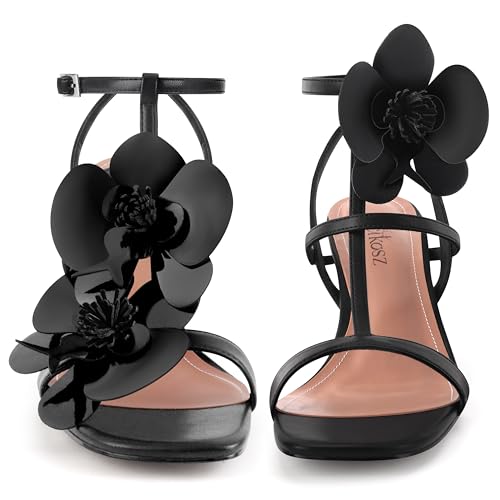
The Gianni Bini Vegas heels feature a wraparound ankle strap that loops around the back of the ankle and buckles on the lateral side, creating a secure hold without requiring a traditional back counter. The design relies on two separate adjustment zones—one at the buckle pin and another at the elastic tension panel hidden beneath the outer strap layer—to accommodate different ankle widths while maintaining consistent heel contact.
Understanding how these two components work together explains why the Vegas feels secure even during extended wear, and why small fit adjustments make a meaningful difference in comfort. We built this strap system to distribute pressure evenly across the instep and around the ankle joint, reducing the hot spots that single-point closures often create.
The Dual-Adjustment Architecture
The visible buckle on the outer ankle controls gross fit—you move the pin through traditional holes to get within range of your ankle circumference. Once you’ve set that baseline, the hidden elastic panel beneath the strap takes over micro-adjustments throughout the day as your foot swells or contracts.
This elastic insert sits between the inner lining and the outer leather, running approximately two inches along the strap’s length just before it meets the buckle hardware. It stretches about eight to twelve percent under normal wear, which translates to roughly a quarter-inch of give in each direction. That small range prevents the strap from feeling loose when you first put the shoe on in the morning, then accommodates the natural expansion that happens after a few hours of standing or walking.
The two systems don’t fight each other because they operate at different scales—the buckle sets the perimeter, and the elastic absorbs the variations within that perimeter. When the strap feels too tight even on the loosest buckle hole, the elastic panel has likely lost its stretch over time or wasn’t compressed enough during initial fitting.
How the Wraparound Path Distributes Load
Instead of attaching the strap perpendicular to the shoe’s lateral side—the way a simple ankle strap would—the Vegas routes the strap in a shallow curve from the medial quarter, around the back of the heel, and forward again to the buckle point. That path creates three contact zones: the inner ankle, the Achilles area, and the outer ankle.
Each zone carries about one-third of the retention force, which means no single point bears the full load of keeping your foot in place. The medial attachment sits slightly forward of the ankle bone, which prevents the strap from digging into the prominence when you flex your foot. The rear section curves to follow the natural concavity behind the ankle, and the buckle section pulls forward rather than straight across, so the tongue of the buckle lies flat instead of standing perpendicular to your skin.
This geometry also explains why the strap can feel loose in the middle of the curve even when the buckle is snug—the leather naturally wants to arc away from the Achilles tendon unless the elastic panel keeps tension through that section. If the rear curve keeps lifting away from your heel, the elastic has usually stretched beyond its working range and needs replacement or the buckle needs to move one hole tighter to restore baseline tension.
Material Pairing and Why It Matters
The outer strap layer uses full-grain leather cut from the shoulder section of the hide, which has more natural stretch in the horizontal direction than belly or back leather. We pair that with a lining made from chrome-tanned goatskin, which is thinner and more pliable than cowhide but still durable enough to handle friction against hosiery.
Between those two layers sits the elastic panel, which is woven polyester rather than rubber-based elastic. Polyester holds its recovery better over time—it doesn’t degrade as quickly with repeated stretching—and it doesn’t stiffen in cold weather the way rubber does. The tradeoff is that polyester elastic has a firmer hand, so the strap feels less cushioned than a fully padded design, but it maintains consistent tension across a wider temperature range.
The buckle hardware itself is zamak alloy with a roller bar, which allows the strap to slide through the frame without catching on sharp edges. Cheaper stamped-steel buckles create a fulcrum point that can crease the leather after repeated adjustments, but the rolled bar distributes bending stress across a broader radius. That’s why you can move the buckle hole repeatedly without seeing a permanent kink form in the strap.

Fit Indicators and Adjustment Limits
A properly adjusted strap should allow you to slide one finger between the strap and your ankle at the buckle point when you’re standing with weight on the shoe. If you can’t fit a finger, the strap is too tight and will restrict circulation during longer wear. If you can fit two fingers comfortably, the strap is too loose and won’t prevent forward slide when you walk downhill or in a rushed stride.
The rear curve should make light contact with the back of your ankle without pressing into the Achilles tendon—you should feel the leather touching your skin, but not creating a visible indentation when you remove the shoe. If you see a red line or crease after wearing the shoe for an hour, either the elastic panel is over-compressed or the buckle is set too tight for the elastic to function within its working range.
Most wearers find their correct hole within the middle three positions of the buckle. If you’re using the first or last hole, the shoe is likely a half-size off in length, which changes the angle at which the strap approaches your ankle and forces the buckle into an extreme position to compensate. The strap system is designed to handle about a quarter-inch of ankle circumference variation, not a full size difference in foot length.
Why the System Works for Extended Wear
The Vegas strap achieves secure fit without constant re-tightening because it separates coarse adjustment from fine adjustment, and because the wraparound path distributes load across three zones instead of concentrating it at a single buckle point. The hidden elastic panel handles the micro-variations your foot experiences throughout the day, which keeps the strap feeling consistent even as your ankle circumference changes slightly.
When the system stops working as intended—usually because the elastic has stretched beyond its recovery range or the buckle holes have enlarged—the solution is almost always replacing the strap assembly rather than trying to over-tighten the buckle to compensate. Understanding how the two adjustment mechanisms interact helps you recognize when normal wear has crossed into component fatigue, and when a simple replacement will restore the fit you had when the shoe was new.
Common Questions About the Vegas Strap Mechanism
The elastic panel is sewn into the strap assembly during construction and isn’t designed as a field-replaceable component. If the elastic loses tension, the entire strap needs replacement, which involves removing the original strap from its attachment points on the quarter and installing a new assembly. Most repairs take about twenty minutes per shoe if you have the replacement part on hand.
The pin isn’t fully seated through the hole, or the leather has stretched enough that the hole is now slightly larger than the pin diameter. Push the pin all the way through until you feel it click past the frame bar on the opposite side. If the hole itself has enlarged from repeated use, you can move to an adjacent hole or have a cobbler punch a new hole between existing positions to restore the proper pin-to-leather interference fit.
The elastic panel is identical across all Vegas colorways, but the outer strap material differs. Metallic finishes use a coated leather that has less inherent stretch than uncoated full-grain, so the elastic panel does proportionally more work in those versions. You may notice the metallic straps feel slightly firmer at first because the coating restricts how much the leather itself can give, which makes the elastic compression more noticeable when you buckle the strap.
The strap should cross the back of your ankle in a smooth arc with no twisting—the grain side of the leather should face outward at every point along the path. If the strap has flipped so the flesh side shows anywhere, especially in the rear curve, it wasn’t threaded through the buckle correctly and will create a pressure point. Unbuckle completely and rethread, making sure the strap lies flat from the medial attachment all the way to the buckle tongue.
You can adjust it while wearing the shoe, but it’s easier to achieve the correct tension if you buckle it off your foot first, then slip your foot in and make a one-hole adjustment if needed. Adjusting while wearing the shoe often leads to over-tightening because you’re compensating for the resistance of your ankle pushing outward, which disappears once you take a few steps and the elastic settles into its working position.
The polyester elastic maintains useful tension for approximately two hundred to three hundred wear cycles, which translates to about one to two years if you wear the shoes twice per week. After that point the panel still provides some give, but the recovery rate slows enough that the strap may feel loose by the end of a long day even when the buckle is set correctly. Replacing the strap assembly at that stage restores the original fit characteristics.