
How Gianni Bini Vegas Heels Ankle Strap System Secures Your Foot
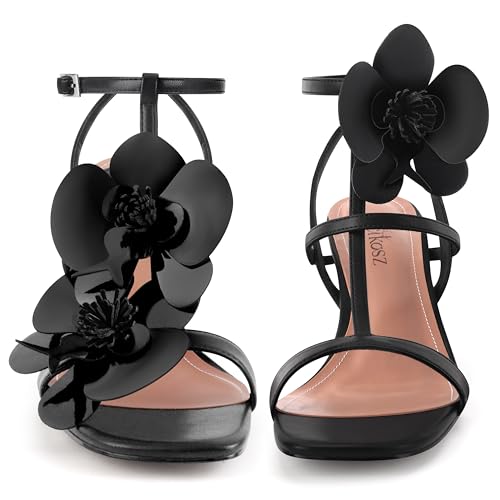
The ankle strap on a platform heel isn’t just decoration. It’s the single piece of hardware standing between a confident stride and a wobbling disaster, and the Vegas heels ankle strap system handles that job through a combination of strap width, buckle geometry, and placement that most party shoes skip entirely.
We built the Vegas ankle strap around three non-negotiable points: the strap must distribute pressure across the entire instep without cutting in, the buckle must hold tension through a full night of movement, and the attachment points must sit exactly where your ankle naturally flexes. Here’s how each piece of that system actually works.

Strap Width and Material Construction
The Vegas ankle strap measures 18mm across—wide enough to spread load over a meaningful contact patch but narrow enough to avoid bunching when your ankle rotates. We use a laminated construction: top-grain leather bonded to a polyurethane core that resists stretch under tension.
Cheaper straps use a single layer of thin leather or synthetic that deforms after a few wears, letting your foot slide forward in the shoe. The laminated build holds its shape through hundreds of buckling cycles, so the strap delivers the same clamping force on wear fifty as it did on wear one.
Buckle Tongue Engagement
The prong on the Vegas buckle is 3mm thick and beveled on the leading edge, which lets it pierce the strap holes cleanly without tearing the leather. Each strap has seven holes spaced 8mm apart, giving you enough adjustment range to account for ankle circumference variation and the thickness of hosiery.
Attachment Point Geometry
The strap anchors to the shoe upper at two reinforced eyelets positioned 42mm forward of the heel counter seam. That placement matters because your ankle doesn’t hinge in a perfect circle—it tilts slightly inward as you walk, and if the strap attaches too far back, it creates a lateral shear force that pulls the shoe off-center.
By moving the attachment forward, the strap crosses your instep at the narrowest part of your ankle’s range of motion, so the clamping force stays perpendicular to your foot through the entire gait cycle. The eyelets themselves are punched through a doubled layer of the upper material and finished with brass grommets to prevent tear-out under repeated stress.
Buckle Frame Design
The buckle frame is die-cast zinc alloy in a rectangular profile with rounded interior corners. The frame’s inner width is 19mm—one millimeter wider than the strap—so the strap can slide through without binding but can’t twist laterally inside the buckle, which would change the angle of pull and create hot spots on your skin.
How the System Handles Dynamic Load
When you step onto a 4-inch platform heel, your body weight shifts forward and your foot tries to slide toward the toe box. The ankle strap’s job is to act as a backstop, holding your heel down into the footbed so the arch support can do its work.
The Vegas strap handles that load through a triangulated tension path: the buckle sits on the lateral side of your ankle, the strap wraps around the instep, and the opposite attachment point pulls straight down into the shoe’s sidewall. That geometry creates a clamping force that increases slightly as you load the shoe, because the strap tightens against your ankle the moment your heel tries to lift.
Comparison to Single-Point Straps
Some heels use a strap that attaches only on one side and fastens with a hook-and-loop closure on the other. Those work fine for sitting or standing, but they can’t handle the rotational forces that happen when you pivot or turn quickly. The Vegas heels use a full wrap-around design that contrasts sharply with the elasticized ankle cuff found on our Katyanna boots, because a platform heel demands a rigid connection where a boot can rely on fabric friction.

Adjusting the Strap for Optimal Hold
The correct strap tension leaves no gap between the strap and your ankle when you stand flat, but you should still be able to slide one fingertip between the strap and your skin. If the strap is loose enough that you can see daylight under it, your heel will slip forward with every step and you’ll end up gripping with your toes to keep the shoe on.
If it’s too tight, the strap will cut off circulation and leave a visible indentation in your skin after ten minutes. The sweet spot is when the strap feels snug the moment you buckle it, then settles into a firm but comfortable hold as you walk the first few steps and the materials compress slightly.
Break-In Period
New Vegas heels require about three wears before the ankle strap molds to your specific ankle shape. During that break-in window, the leather compresses at the contact points and the buckle holes elongate slightly, which lets you fine-tune the fit. If you notice the strap loosening after multiple wears, the fix usually involves moving to the next tighter hole rather than accepting the slip.
Why the Buckle Sits on the Outside
The buckle could theoretically sit on either side of your ankle, but we place it on the lateral (outside) edge for two reasons. First, that’s the side most people find easier to reach when fastening the strap without bending over. Second, the buckle hardware adds a small amount of bulk, and placing it on the outside keeps it away from your other ankle when you’re standing with your feet together.
The buckle frame also acts as a hard point that prevents the strap from rolling or twisting during wear. If the strap were secured with a simple sewn loop, it would eventually rotate around your ankle as the materials relaxed, changing the angle of the strap and creating uneven pressure. The rigid buckle locks the strap’s orientation in place.
Why Strap Engineering Matters on a Platform Heel
A platform heel concentrates your entire body weight onto a small footprint, and the ankle strap is the single piece of hardware that keeps that weight centered over the shoe’s support structure. The Vegas system works because it treats the strap as a load-bearing component, not an afterthought.
The strap width, the buckle geometry, the attachment point placement, and the material layering all exist to solve a specific mechanical problem: keeping your foot locked into the footbed through a full range of motion. The complete style guide covers how that secure fit translates into confident movement when you’re actually wearing the shoes for an event, but the foundation is this—if the strap doesn’t hold, nothing else matters.
Common Questions About Vegas Heels Ankle Strap Performance
Yes, the strap is a replaceable component. The eyelets are reinforced specifically so a cobbler can remove the old strap and rivet a new one in place without damaging the upper. We stock replacement straps in the same leather finish as the original shoe.
The polyurethane core resists stretch, but the top leather layer will compress slightly with repeated wear. Most wearers move to the next tighter buckle hole after about twenty wears as the materials settle. That’s normal break-in, not a defect.
A visible indentation after wearing the shoes means the strap is fastened one hole too tight. The strap should feel snug without restricting blood flow. Move to the next looser hole and walk around for five minutes to confirm the fit—you want firm contact, not compression.
The shoe will stay on your foot in a static position, but without the strap your heel will lift out of the footbed with every step. The platform height makes that instability dangerous, and you’ll end up gripping with your toes to compensate, which defeats the entire point of the arch support.
Wipe the strap with a damp cloth and mild saddle soap, then let it air dry away from direct heat. Avoid soaking the strap, because water can weaken the bond between the leather top layer and the polyurethane core if it penetrates the edge seams.
The laminated construction, the forward attachment point geometry, and the seven-hole adjustment range are all spec decisions most party heels skip. The combination gives you a strap that holds tension through dynamic movement instead of just looking decorative.